

Sleeping through noise: a practical guide
20 February 2026 · 4 min read

Noise does not have to wake you fully to damage your sleep. Brief arousals you never remember still fragment the night and leave you flat the next day.
Masking beats blocking
Earplugs reduce total volume, but the sounds that wake you are the sudden ones — a door, a bark, a snore. Masking works differently: a steady sound raises the floor so those spikes stand out less. Brown noise is the most effective for low-frequency intrusions like traffic and snoring.
Choosing your sound
- Brown noise — deep and rumbling, best for snoring and traffic.
- Pink noise — balanced, the most natural sounding for most people.
- White noise — brighter, good for masking speech and TV through a wall.
- Rain and water — variable, but pleasant if steady noise feels clinical.
Play it all night, quietly
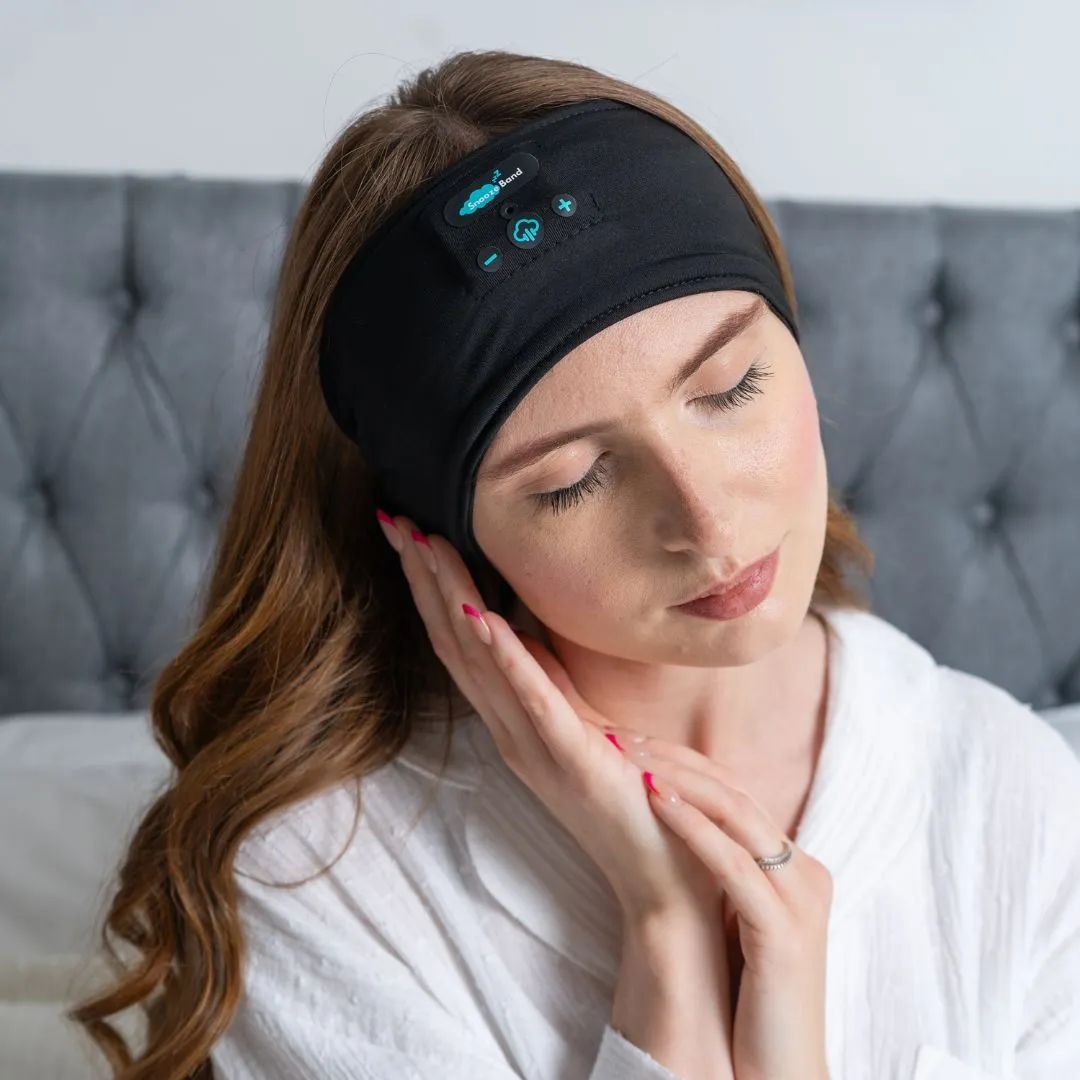
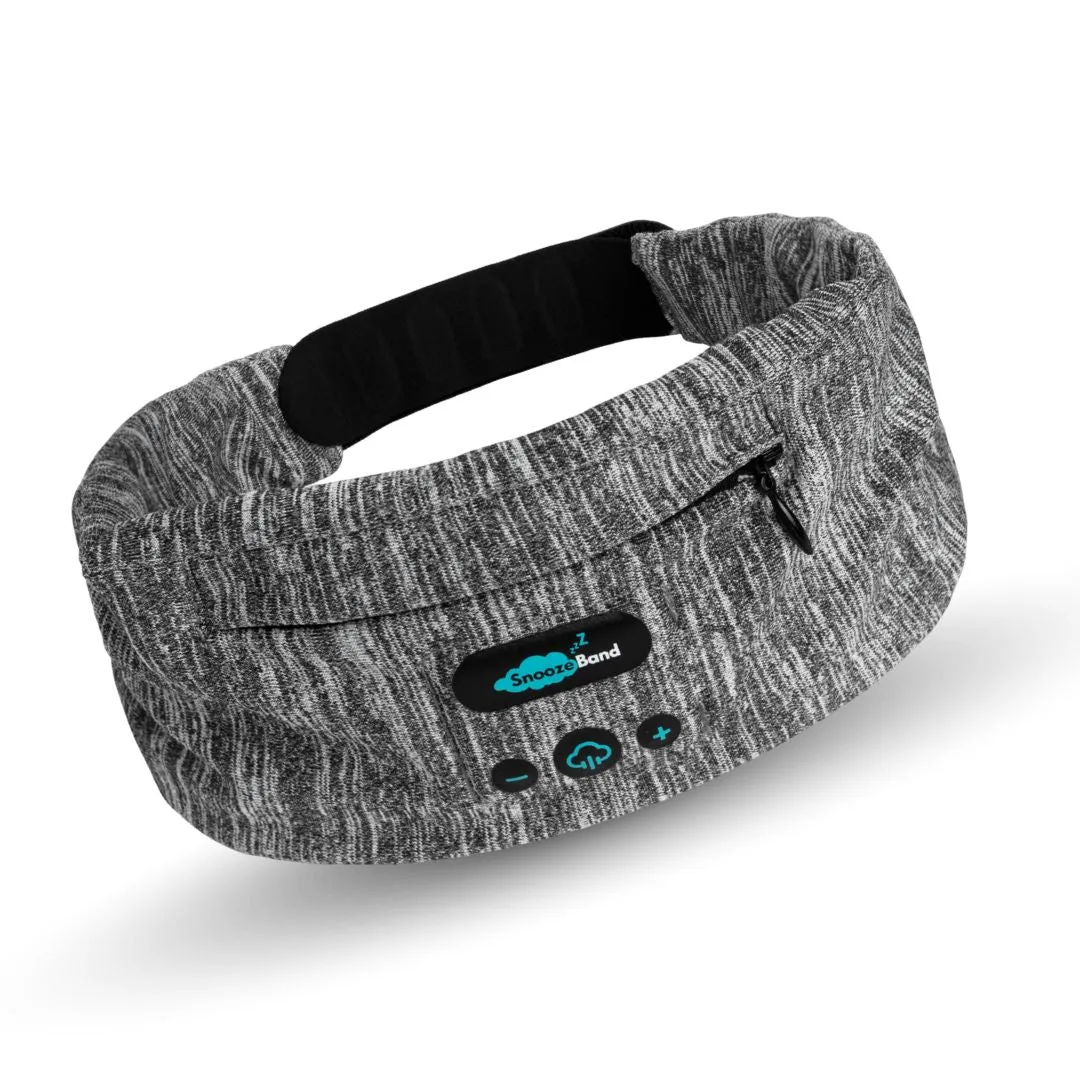
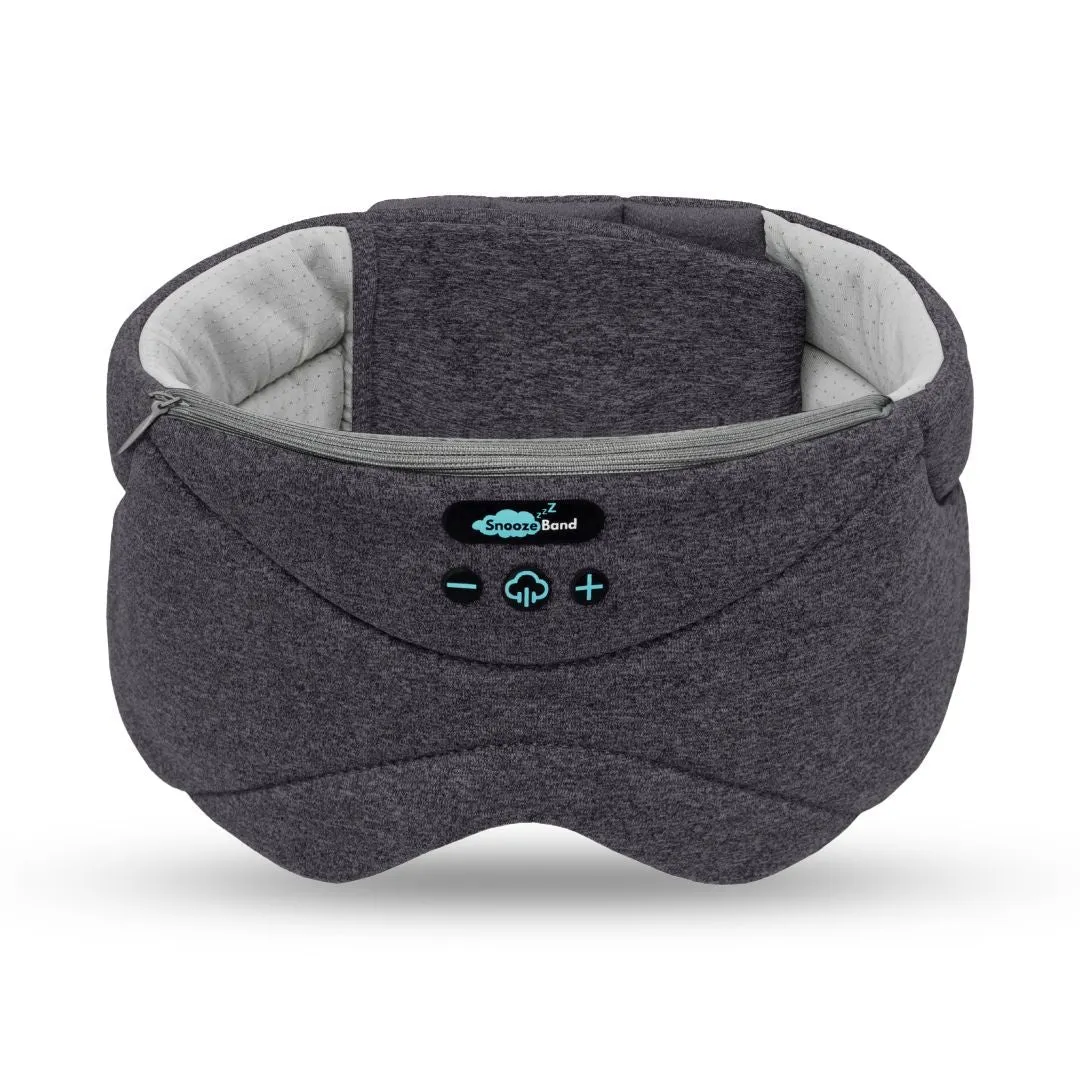
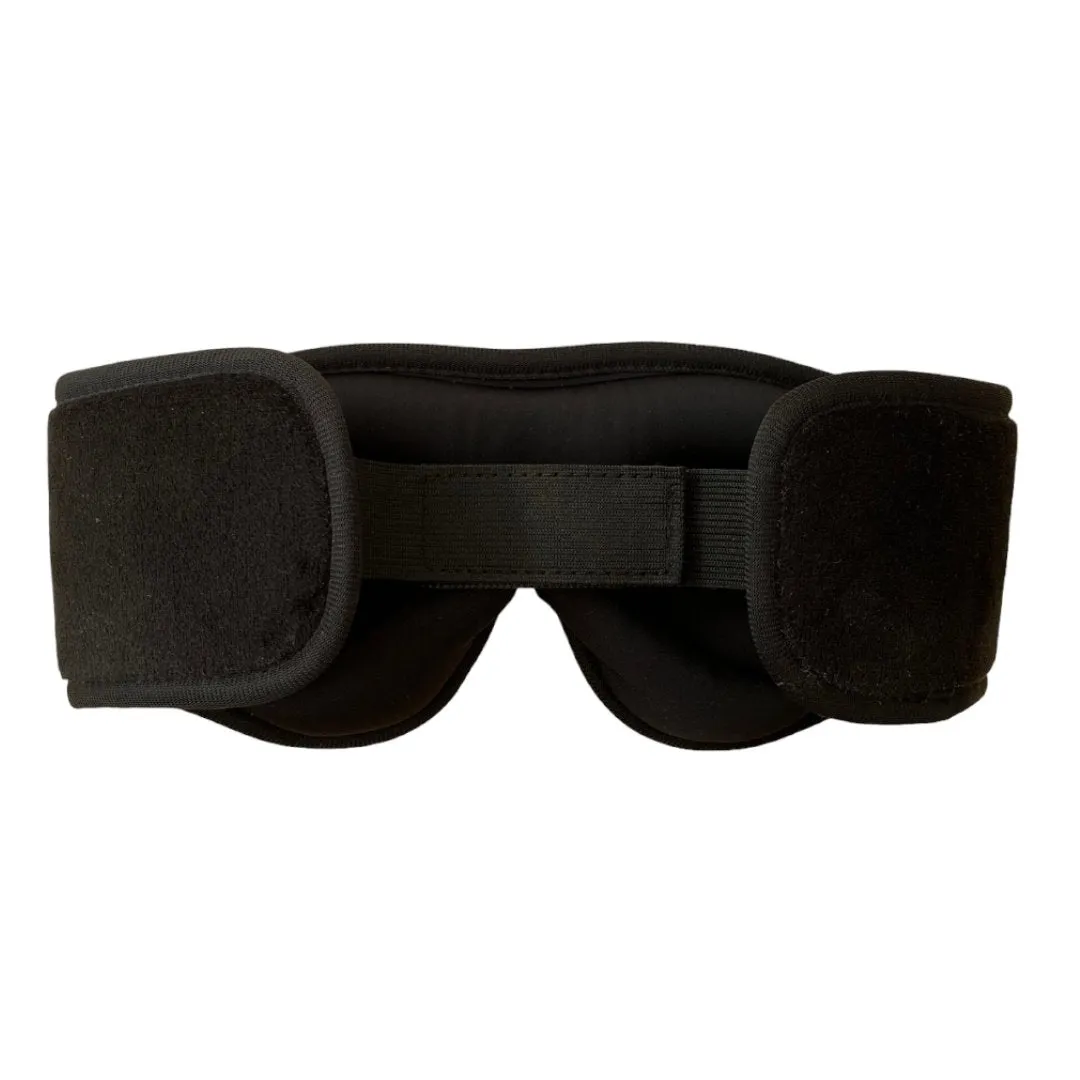
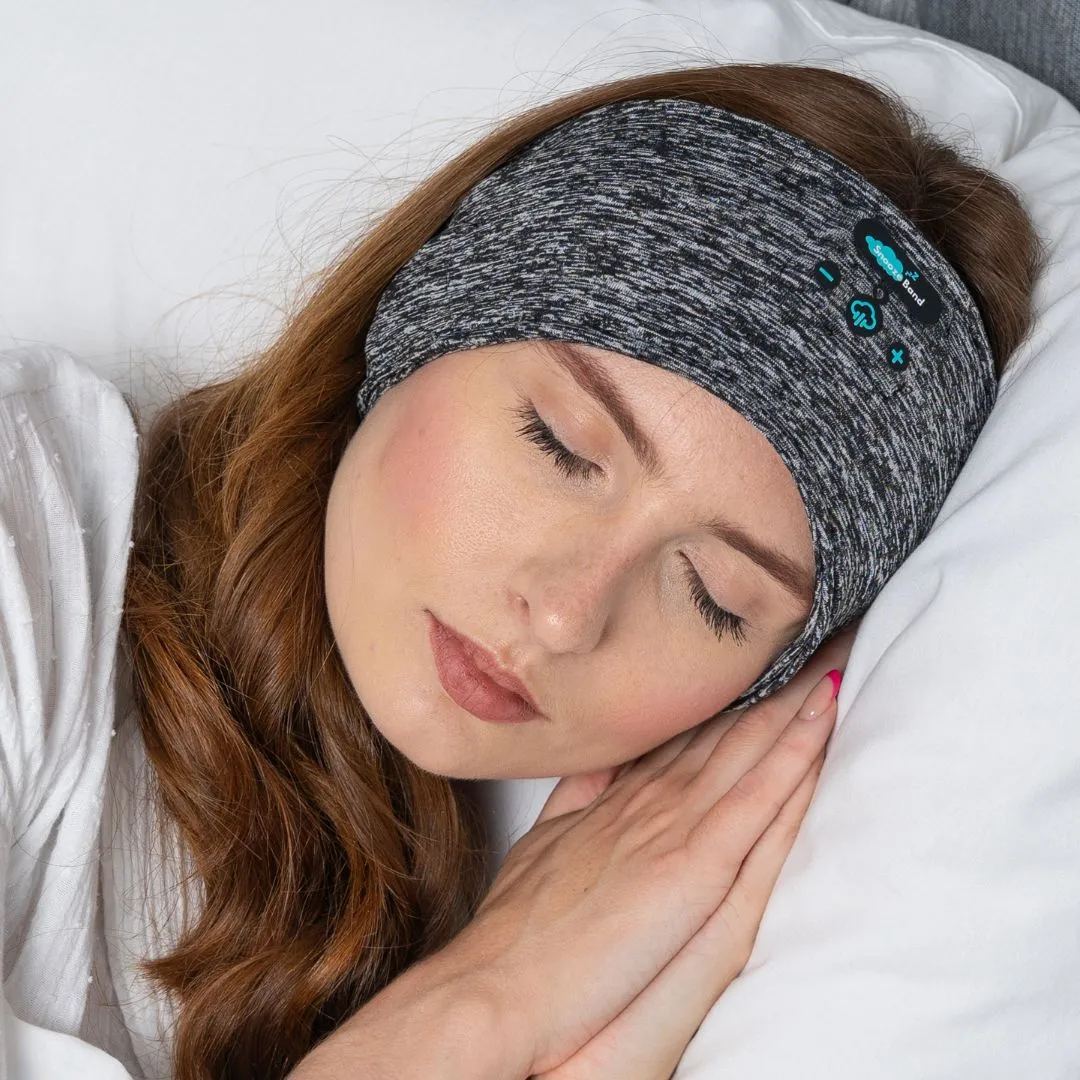
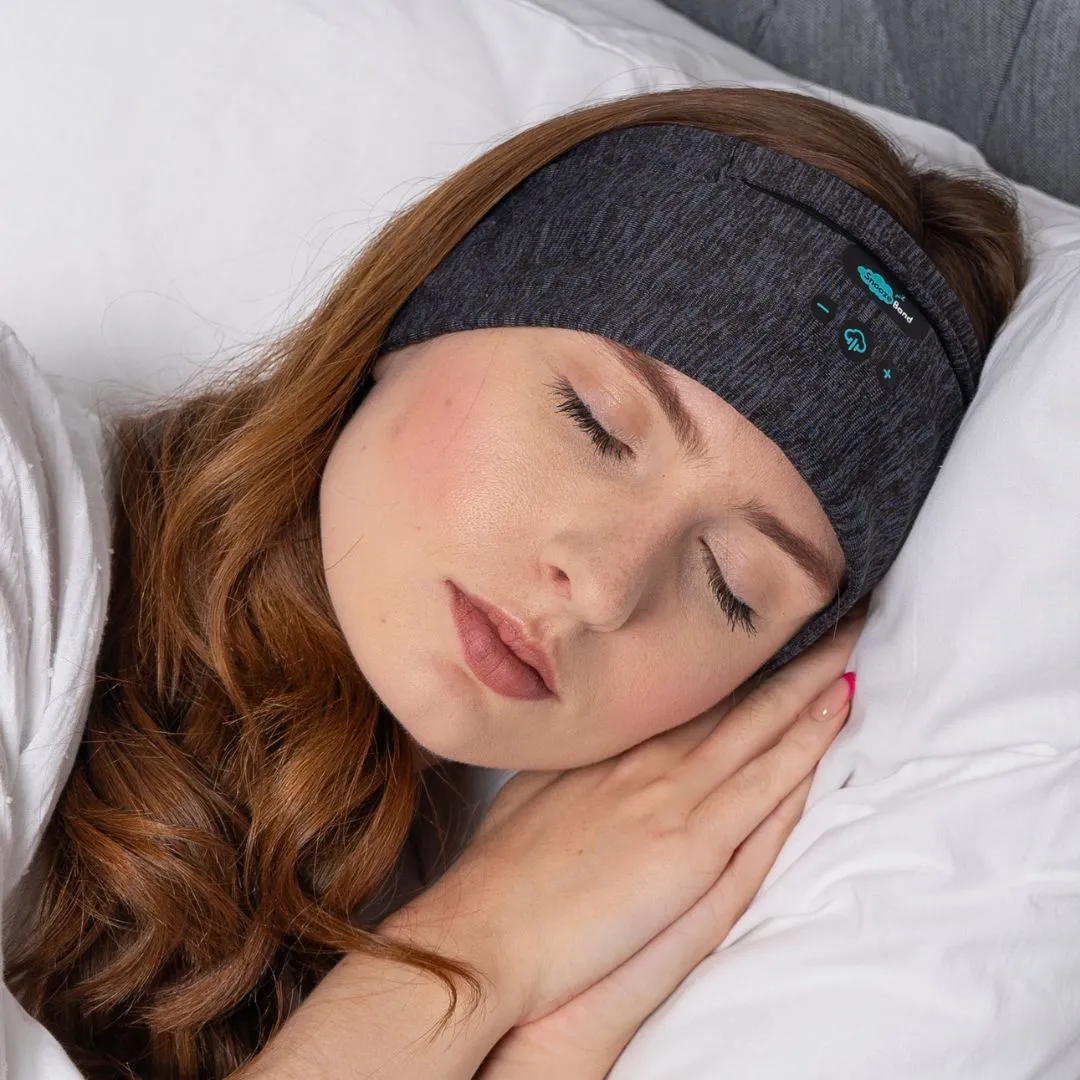
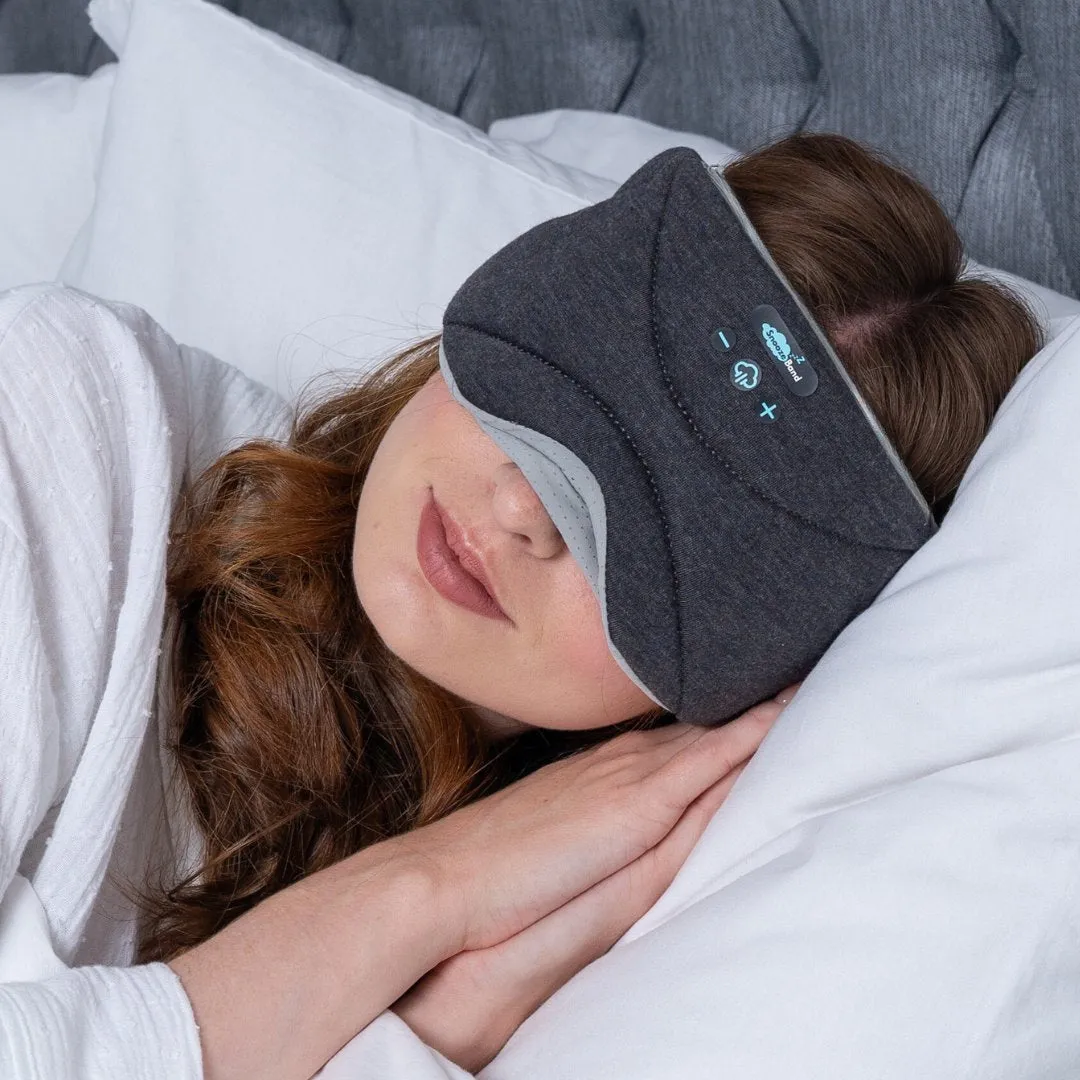
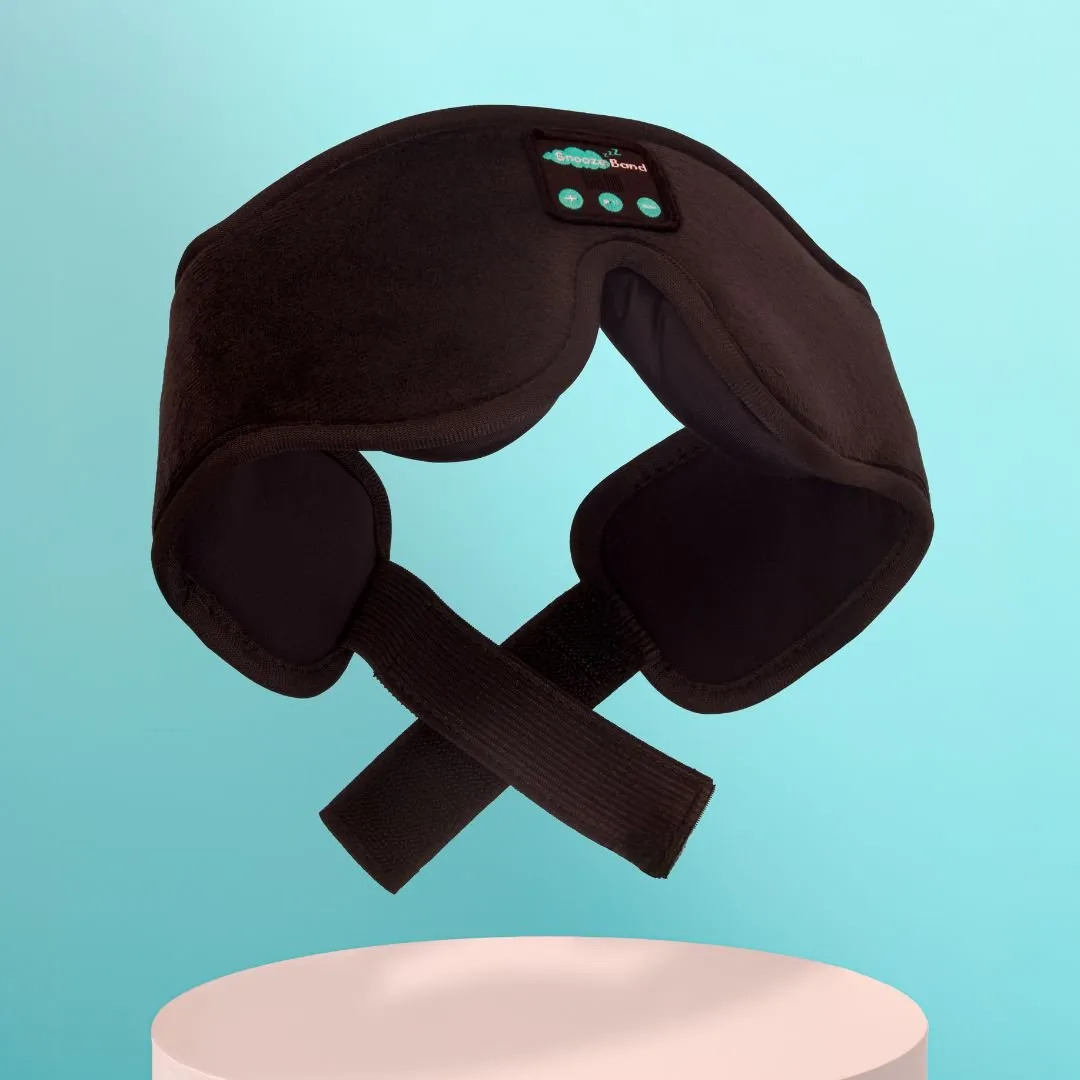
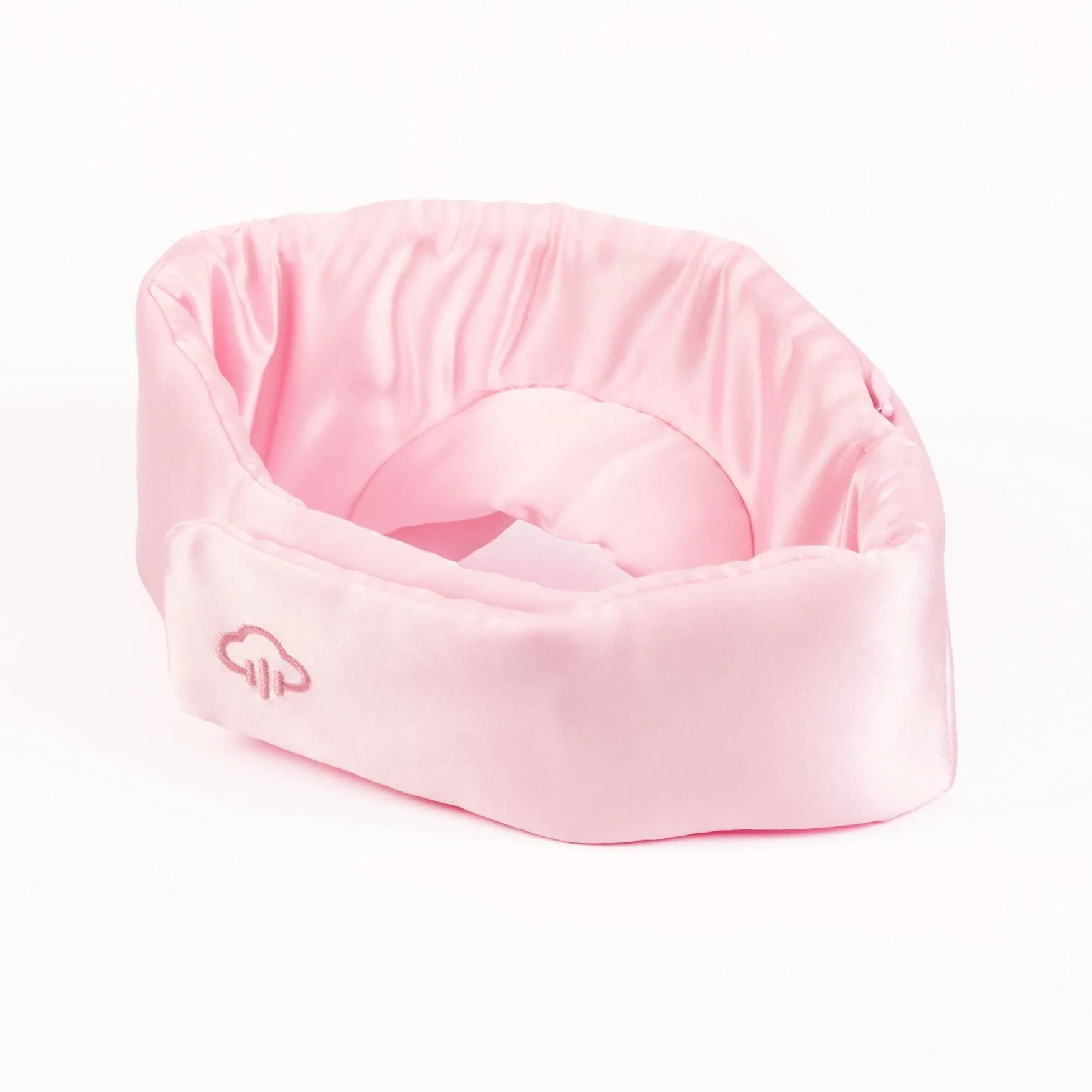
Masking is the one case where continuous playback beats a timer — the noise you are masking does not stop at midnight. Keep it low, and use something you can lie on comfortably: SnoozeBand MAX has ten sounds built in and plays them for twenty hours without a phone.